
.png)
Crafting High-Quality Plush Toys
Creating plush toys that stand out in quality and appeal requires a deep understanding of materials, design, and production processes. When you aim to deliver products that delight customers and build lasting trust, focusing on high-quality plush materials is essential. I want to share insights that will help you elevate your plush toy offerings, ensuring they meet the highest standards of safety, comfort, and durability.
Choosing High-Quality Plush Materials: The Foundation of Excellence
The journey to crafting superior plush toys begins with selecting the right materials. High-quality plush materials not only enhance the look and feel of the toy but also contribute to its longevity and safety. Here are some key factors to consider:
Fabric Type: Opt for soft, durable fabrics such as polyester velour, minky, or faux fur. These materials provide a luxurious touch and withstand frequent handling.
Safety Standards: Ensure all fabrics comply with international safety regulations, including being non-toxic and hypoallergenic. This is crucial for toys intended for children.
Colorfastness: Choose materials that retain their color after washing and exposure to sunlight. Vibrant, lasting colors keep toys attractive over time.
Texture Variety: Incorporate different textures to create sensory appeal. Combining smooth and fluffy fabrics can make the toy more engaging.
By prioritizing these aspects, you set a strong foundation for plush toys that customers will cherish.

Designing Plush Toys with Durability and Appeal in Mind
Design is where creativity meets functionality. When you design plush toys, think beyond aesthetics. The structure and construction must support durability and safety. Here’s how you can approach this:
Strong Stitching: Use reinforced seams and double stitching in stress areas like limbs and ears. This prevents tearing during play.
Safe Fillings: Select fillings that are lightweight, non-toxic, and maintain shape. Polyester fiberfill is a popular choice for its resilience.
Child-Friendly Features: Avoid small parts that can detach and pose choking hazards. Embroidered eyes and noses are safer alternatives to plastic components.
Ergonomic Shapes: Design toys that are easy to hold and cuddle. Rounded edges and soft contours enhance comfort.
Customization Options: Offer personalized designs or branding for private label clients. This adds value and uniqueness to your products.
By combining these design principles, you create plush toys that are not only beautiful but built to last.
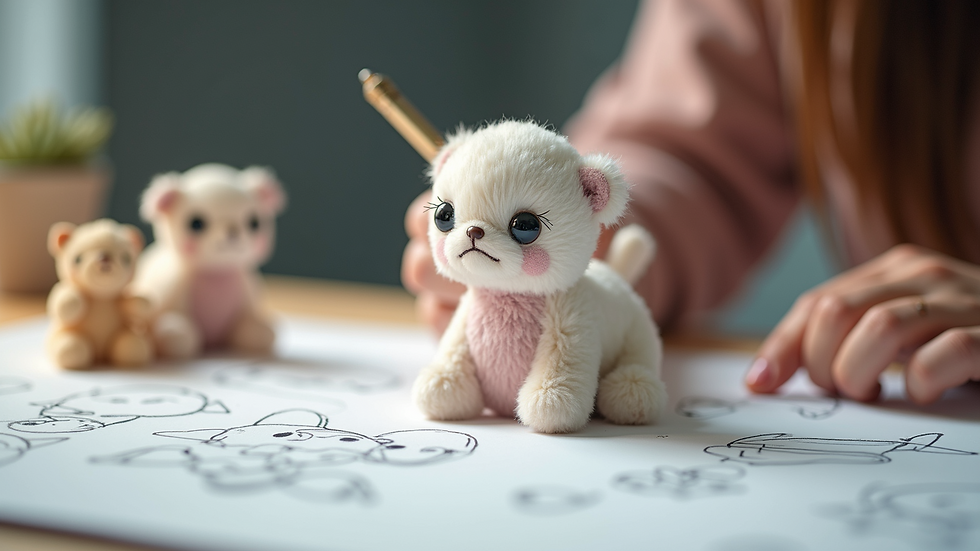
What is the difference between stuffed and plush toys?
Understanding the distinction between stuffed and plush toys helps you communicate product features clearly to buyers and consumers. While the terms are often used interchangeably, there are subtle differences:
Stuffed Toys: These are toys filled with soft materials like cotton, wool, or synthetic fibers. The focus is on the filling, which gives the toy its shape and softness.
Plush Toys: These emphasize the outer fabric, which is a soft, velvety material called plush. Plush toys are a subset of stuffed toys but are characterized by their luxurious surface texture.
In essence, all plush toys are stuffed, but not all stuffed toys have plush fabric. This distinction matters when you want to highlight the premium quality of your products.
Ensuring Ethical Production and Safety Compliance
In today’s market, buyers and brands prioritize ethical manufacturing and safety compliance. You can build trust and reputation by adhering to these principles:
Certified Materials: Use fabrics and fillings certified by recognized bodies such as OEKO-TEX or CPSIA. This guarantees they are free from harmful substances.
Fair Labor Practices: Partner with manufacturers who provide safe working conditions and fair wages. Ethical production resonates with conscious consumers.
Rigorous Testing: Conduct thorough testing for flammability, choking hazards, and durability. Regular quality checks prevent defective products from reaching the market.
Sustainability: Consider eco-friendly materials and processes. Biodegradable stuffing or recycled fabrics reduce environmental impact.
By embedding these values into your production, you align with global standards and enhance your brand’s credibility.

Practical Tips for Private Label Brands and Toy Buyers
If you are sourcing plush toys for your brand or retail, here are actionable recommendations to ensure you get the best products:
Request Samples: Always evaluate samples before placing large orders. Check fabric quality, stitching, and overall finish.
Specify Customization Needs: Clearly communicate your design, size, and packaging requirements to the manufacturer.
Verify Certifications: Ask for documentation proving compliance with safety and environmental standards.
Plan for Scalability: Choose partners who can handle increasing order volumes without compromising quality.
Build Long-Term Relationships: Collaborate closely with suppliers to innovate and improve product lines continuously.
Following these steps will help you confidently select plush toys that meet your business goals and customer expectations.
Embracing the Future of Plush Toy Crafting
The market for plush toys is evolving with new trends in materials, technology, and consumer preferences. Staying ahead means embracing innovation while maintaining core values of quality and safety. Explore options like smart textiles, interactive features, and sustainable sourcing to differentiate your offerings.
Remember, the heart of crafting exceptional plush toys lies in attention to detail and commitment to excellence. By focusing on high-quality plush materials and ethical production, you position yourself as a trusted partner in the global toy industry.
For those interested in exploring a reliable source of premium plush toys, I recommend checking out plush toys. Their dedication to quality and customization aligns perfectly with the standards discussed here.
I hope these insights inspire you to create plush toys that bring joy and comfort to many. With the right materials, design, and ethical approach, your products can truly make a difference in the market. Keep striving for excellence, and success will follow.


Comments